Natural Resources Management

Natural Resources Management

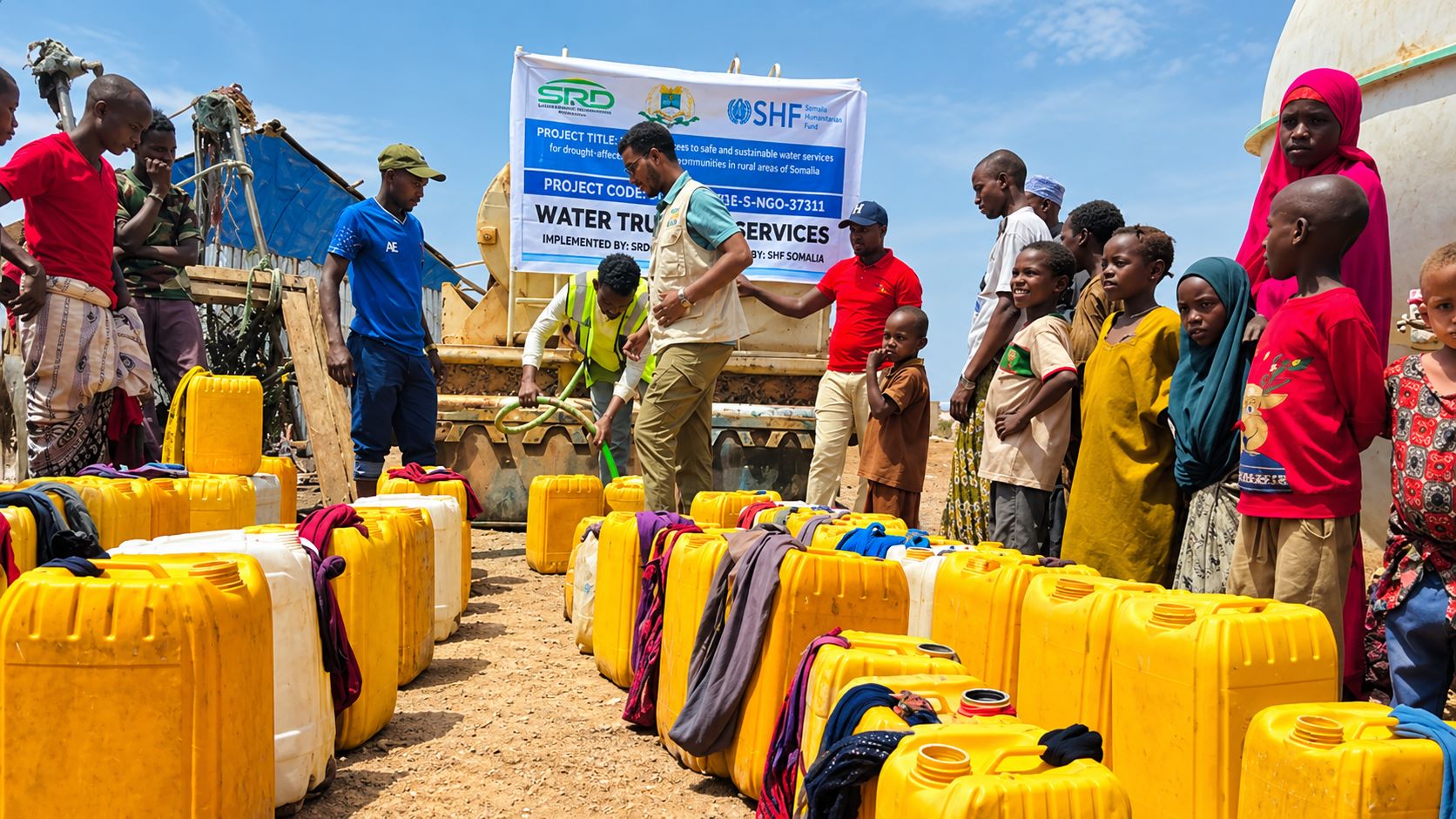
Social Rural Development Initiative (SRDI) recognizes that natural resources are fundamental to the survival, livelihoods, and resilience of communities, particularly pastoral and agro-pastoral populations living in Arid and Semi-Arid Lands (ASALs). Climate variability, drought, floods, environmental degradation, and competition over scarce resources can place significant pressure on communities and contribute to livelihood losses and conflict. SRDI therefore promotes sustainable management of land, water, vegetation, and other natural resources while strengthening communities’ capacity to adapt to climate-related shocks. This approach is informed by regional practices that emphasize sustainable resource management, improved food production, dryland farming, and climate-resilient agricultural techniques

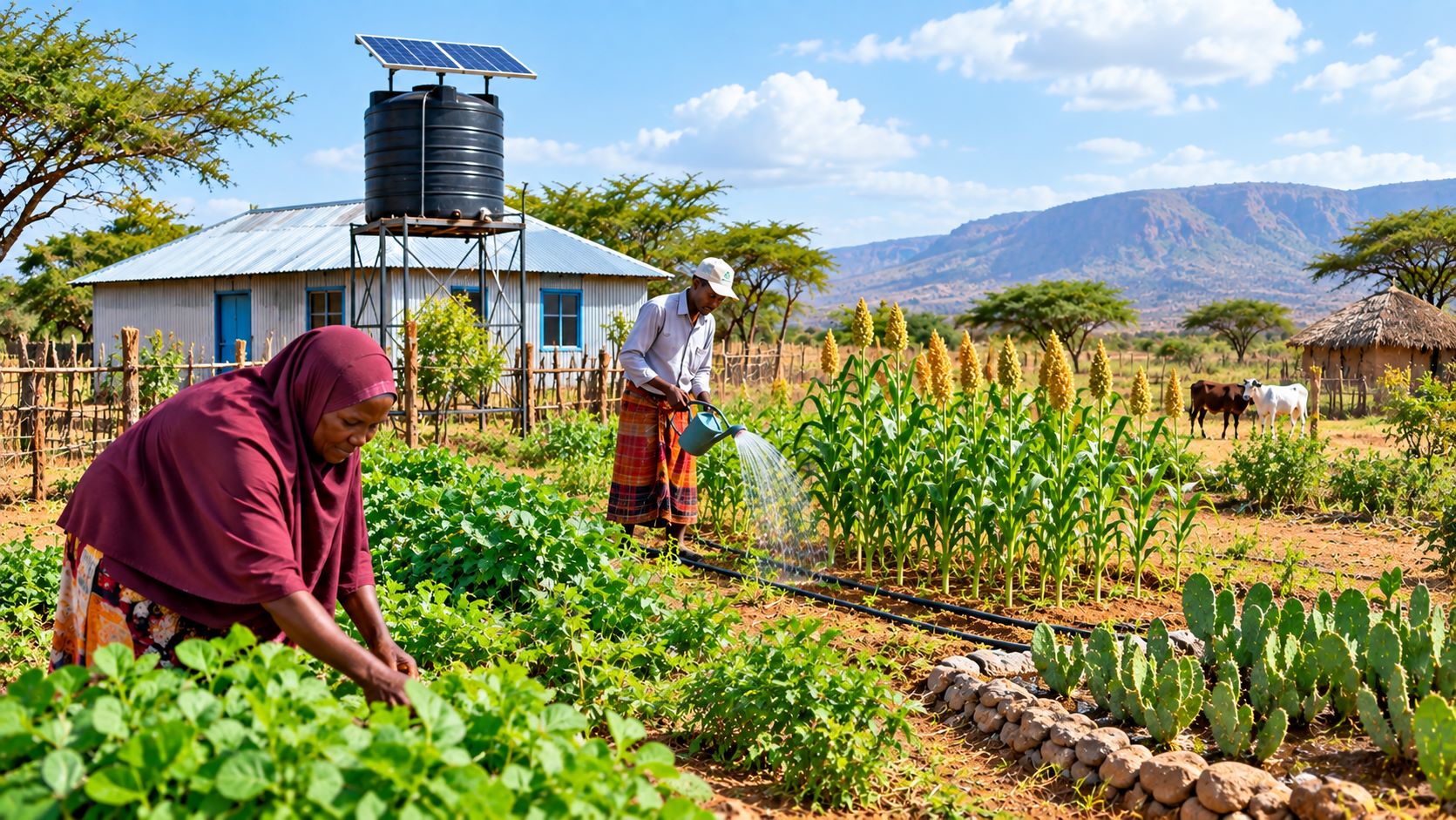
Through the program, SRDI works with communities and relevant stakeholders to strengthen environmental stewardship, disaster preparedness, sustainable production, and peaceful management of shared resources. The program promotes practical solutions that enable communities to better manage their natural resource base, reduce vulnerability to climate shocks, protect livelihoods, and build resilience for the future.

Key Program Interventions

  1. Sustainable Natural Resource Management: Strengthening community capacity to sustainably manage land, water, vegetation, and other natural resources.
  2. Climate-Smart & Dryland Agriculture: Promoting improved food production techniques, dryland farming, agricultural demonstrations, and drought-resilient crops suited to local conditions.
  3. Climate Change Adaptation: Supporting communities to anticipate and adapt to drought, floods, environmental degradation, and other climate-related shocks.
  4. Disaster Risk Reduction: Strengthening community preparedness through local disaster risk reduction structures, planning, and response mechanisms.
  5. Environmental Protection & Resilience: Promoting practices that protect natural resources while strengthening the ability of vulnerable communities to maintain sustainable livelihoods.
  6. Community Resource Governance: Encouraging inclusive community participation and collaboration with local authorities in planning, managing, and protecting shared natural resources to support peaceful coexistence.