
 February 11, 2023
In many communities, food security is more than having enough food on the table. It is about having reliable access to nutritious food today while having the resources, knowledge, and opportunities to provide for tomorrow. For vulnerable households, especially those affected by poverty, climate change, displacement, unemployment, and rising living costs, securing a sustainable livelihood can make the difference between simply surviving and building a better future.
Across rural and urban communities, families are finding innovative ways to overcome these challenges. Small-scale farming, livestock keeping, poultry production, entrepreneurship, vocational skills, and savings initiatives are helping households create more reliable sources of income while improving access to nutritious food.
Empowering Communities Through Sustainable Solutions
NGOs play an important role in supporting communities to develop solutions that respond to their unique needs. Rather than providing short-term assistance alone, effective food security and livelihoods programmes focus on building resilience and strengthening the capacity of individuals and households.
Farmers can be supported with improved seeds, agricultural training, climate-smart farming techniques, irrigation solutions, and access to markets. Such interventions can help increase productivity while enabling families to diversify their sources of food and income.
For households that do not depend primarily on farming, livelihood programmes can provide vocational and entrepreneurship training. Skills in tailoring, food processing, construction, digital services, retail, and other income-generating activities can open pathways to employment and self-employment.
A Story of Opportunity
Consider a small farming community where prolonged dry seasons have repeatedly reduced harvests. Families that once depended on a single crop were struggling to meet their food and household needs.
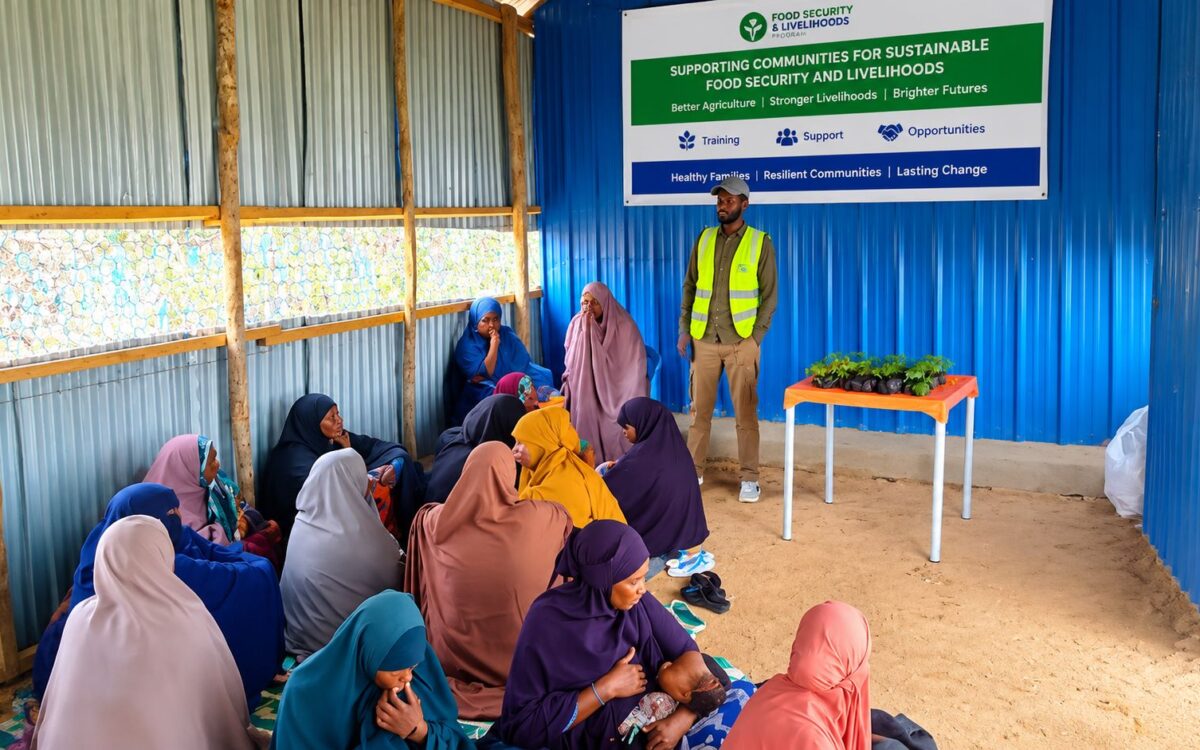
Through a community-based livelihoods programme, local farmers received training in drought-resilient farming, kitchen gardening, poultry keeping, and household financial management. Women and young people were also supported to establish small income-generating enterprises and savings groups.
Within months, the community began to experience meaningful changes. Kitchen gardens provided vegetables for household consumption, while surplus produce could be sold locally. Poultry offered both food and an additional source of income. Through savings groups, families were able to set aside small amounts regularly, access affordable loans, and invest in productive activities.
The greatest achievement was not simply the additional income or improved harvests. It was the growing confidence among community members that they could influence their own economic future.
Building Resilience for Tomorrow
Food security and livelihoods interventions are most effective when communities are placed at the centre of the process. Local knowledge, participation, inclusion, and accountability help ensure that programmes are practical and sustainable.
Special attention should also be given to women, youth, persons with disabilities, and other vulnerable groups who may face additional barriers to accessing economic opportunities. When these groups are equipped with skills, resources, and opportunities, the benefits can extend across entire households and communities.
Ultimately, food security is about dignity, resilience, and opportunity. A family that can grow nutritious food, earn a stable income, save for the future, and withstand economic or environmental shocks is better positioned to build a secure and hopeful future.
By investing in people, strengthening livelihoods, supporting sustainable food production, and connecting communities to economic opportunities, NGOs can help transform vulnerability into resilience and create lasting pathways from food insecurity to self-reliance.