 October 24, 2025
In many communities, access to clean water and adequate sanitation is not something people take for granted. It is a daily challenge that affects health, education, livelihoods, dignity, and the overall well-being of families. For women, children, and vulnerable households in underserved communities, a simple task such as collecting water can mean walking several kilometres, spending hours away from school or work, or relying on unsafe water sources.
This is why Water, Sanitation and Hygiene (WASH) remains a critical area of development and humanitarian intervention.
Across communities, WASH programmes are helping to create lasting change by improving access to safe water, strengthening sanitation facilities, and promoting healthy hygiene practices. These interventions go beyond constructing boreholes, water tanks, toilets, and handwashing stations. They are about creating healthier and more resilient communities where every person can live with dignity.
Bringing Safe Water Closer to Communities
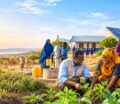
For a family living in a water-scarce area, a reliable source of safe water can transform everyday life. Community water projects reduce the distance families have to travel to collect water and help ensure that households have access to cleaner and more reliable supplies.
Water infrastructure such as boreholes, protected wells, rainwater harvesting systems, water storage tanks, and community distribution points can provide communities with sustainable solutions while reducing dependence on unsafe water sources.
But infrastructure alone is not enough. Communities need the knowledge and capacity to manage, maintain, and protect their water resources for generations to come.
Sanitation Protects Health and Dignity
Proper sanitation is equally important. Lack of safe toilets and appropriate waste disposal exposes communities to serious health risks and environmental contamination.
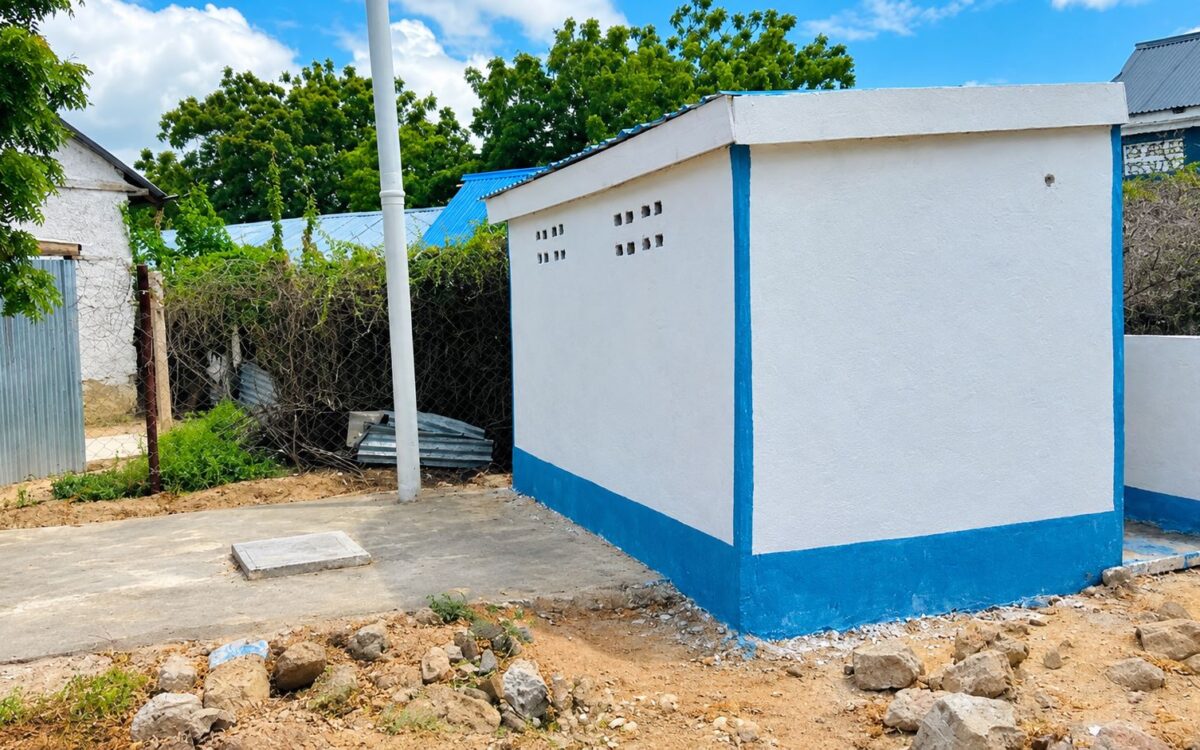
WASH initiatives support households, schools, healthcare facilities, and public institutions in improving sanitation facilities and promoting safe waste management. Clean and accessible toilets provide privacy and dignity while helping to create healthier environments for everyone.
Special attention is also needed to ensure that sanitation facilities are accessible to children, older people, and persons with disabilities.
Hygiene Education Creates Lasting Change
Some of the most powerful WASH interventions begin with something as simple as washing hands with soap.
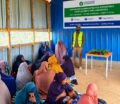
Through community awareness campaigns, school programmes, training sessions, and behaviour-change initiatives, people can learn practical ways to prevent the spread of diseases. Proper handwashing, safe food handling, hygienic water storage, menstrual hygiene management, and household cleanliness are essential practices that can significantly improve community health.
Schools are particularly important. When children learn good hygiene practices, they can take those lessons home and share them with their families, creating a ripple effect throughout the community.
Building a Healthier Future Together
Sustainable WASH programmes depend on strong community participation. Local leaders, schools, health workers, community-based organisations, government institutions, development partners, and residents all have a role to play.
The goal is not simply to deliver a water point or construct a toilet. The goal is to build systems that communities can own, manage, maintain, and sustain.
Every water source protected, every toilet constructed, every hand washed, and every person reached through hygiene education represents a step towards a healthier future.
WASH is ultimately about more than water, sanitation, and hygiene. It is about protecting lives, restoring dignity, creating opportunities, and empowering communities to build a better future.
When communities have safe water, adequate sanitation, and the knowledge to practise good hygiene, the benefits extend far beyond improved health. Children can attend school more consistently, families can spend less time searching for water, communities become more resilient, and people are better positioned to pursue sustainable livelihoods.
Every drop counts. Every action matters. Together, we can help create communities where safe water, sanitation, and hygiene are not privileges, but basic rights accessible to all.